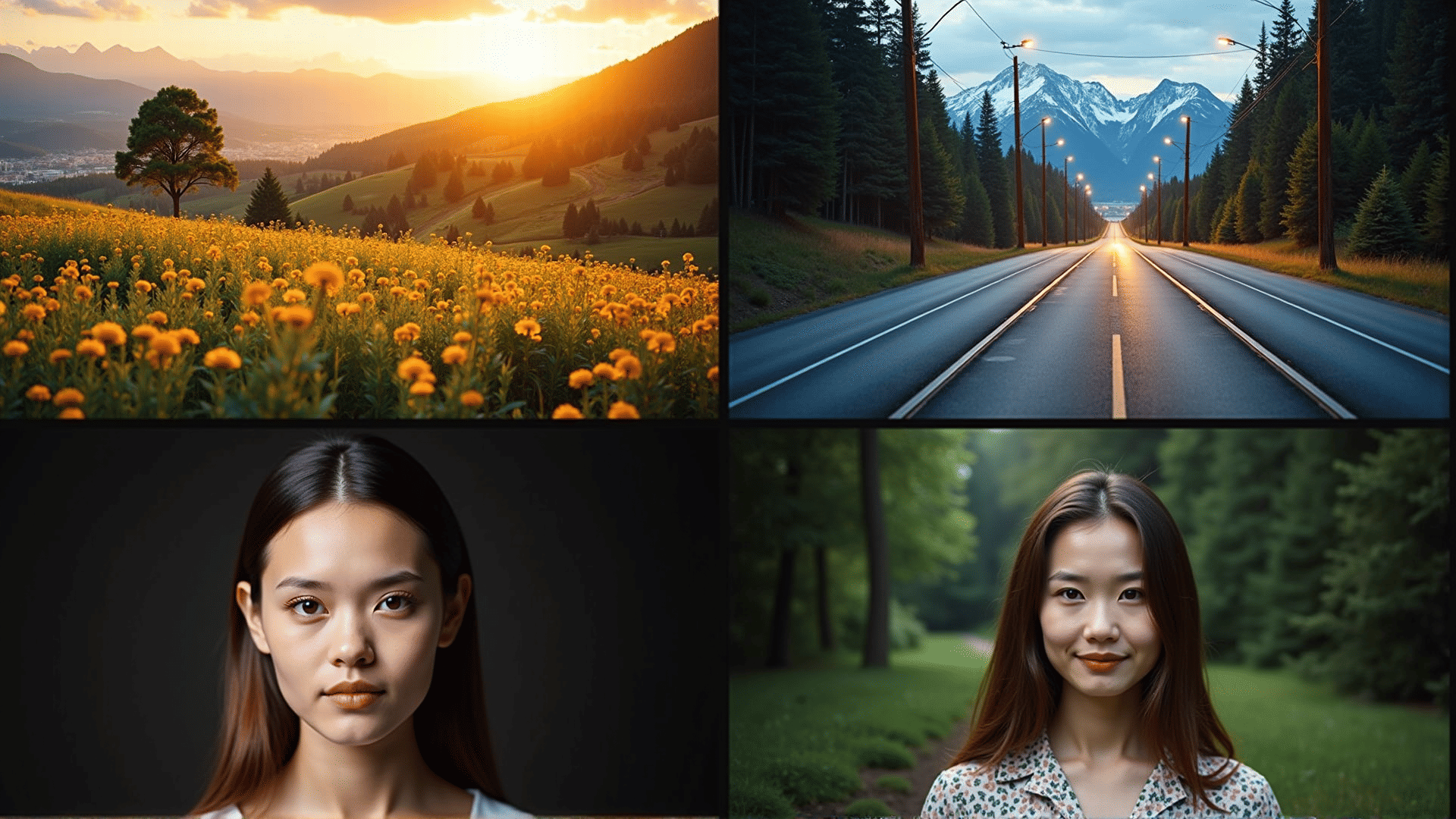
Exploring the art of using composition techniques in picture-taking is essential for transforming ordinary snapshots into captivating visual stories. Beyond the technical aspects of operating a camera, understanding the principles of composition can significantly enhance the impact of your images.
The Rule of Thirds
One of the most foundational concepts in image-making is the rule of thirds. By dividing the frame into a 3x3 grid, you can position the main subject at the intersections or along the lines. This approach helps in creating balance and draws attention to the most critical elements of the frame.
Leading Lines
Leading lines are powerful tools for guiding the viewer’s eye through an image. Roads, rivers, or even a set of stairs can direct attention and create depth. By incorporating leading lines, the viewer is taken on a visual journey from one part of the image to another.
Framing
Utilizing elements within the environment to frame a subject can add layers of interest. Natural frames like branches, doorways, or windows not only enhance focus on the subject but also add context and depth, creating a more immersive experience for the viewer.
Symmetry and Patterns
Symmetry and patterns bring harmony and satisfaction to an image. Whether it’s the mirror-like reflection of a landscape or the repetitive design of a building, these elements can create a sense of balance and aesthetic appeal. Breaking symmetry intentionally can also introduce a dynamic element of surprise.
Contrast
Creating contrast, whether in terms of color, lighting, or subject matter, can make your images pop. Contrast draws the eye and can highlight the differences in texture, tone, or shape, enhancing the visual interest of your photos.
Depth of Field
Controlling depth allows photographers to emphasize a subject while softening the background through focus. Utilizing a shallow focus to blur the background can isolate the subject, adding a sense of dimension and helping the subject stand out.
Perspective
Changing your perspective can turn a mundane scene into something extraordinary. Whether you shoot from high above, close to the ground, or from an angle, varying your viewpoint can enhance the composition and reveal a different story.
Texture and Detail
Capturing the fine details and textures of a subject can add richness to your image. It evokes a tactile quality that can draw the viewer in and create a more intimate connection to the scene.
Incorporating Movement
By capturing motion, either through long exposures or panning techniques, you can convey a sense of action and dynamism. This approach can evoke emotions and add life to your images, making the viewer feel as though they are part of the moment.
Conclusion
While mastering technical capabilities is essential, an understanding and application of composition principles fundamentally transforms your image-making. Each of these techniques offers a unique way to tell stories, evoke emotions, and guide viewers through your visual narrative. Embrace these compositional strategies, and allow your creativity to flow, transforming your photos into powerful visual stories.