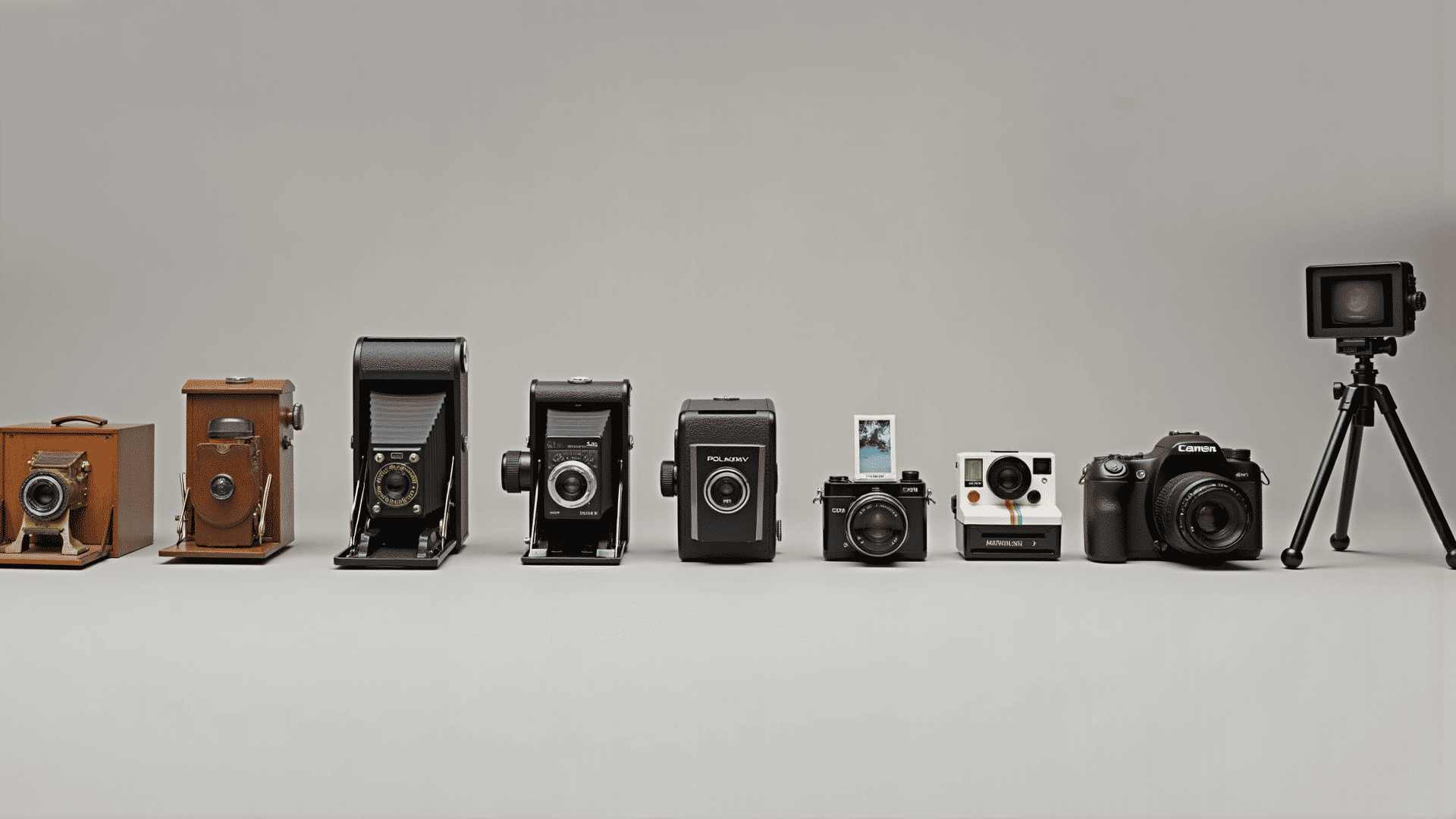
Capturing images has been a profound way humans have documented life and history. Over time, the technology behind image capturing devices has seen remarkable advancements. These advancements not only altered the way memories are preserved but also shaped the visual experiences of generations.
The earliest devices for capturing images were not quite like the modern ones. The journey began with the Camera Obscura, a simple projection system that, instead of using film, would project an image onto a surface within a dark room. This concept dates back to the ancient Greeks and Chinese, who used it as a means to study eclipses. Its basic principle laid the groundwork for future developments.
Fast forward to the 19th century; the world witnessed the birth of the first true camera. Inventors like Joseph Nicéphore Niépce and Louis Daguerre played significant roles during the early days of this evolution. The Daguerreotype, introduced in the 1830s, was a pivotal step—it allowed for images to be captured on a silvered copper plate. This method produced a photograph with intricate detail and brought the idea of permanent imagery into reality.
As years progressed, the Wet Plate Collodion process emerged in the 1850s. It allowed for multiple copies of an image through negatives and significantly reduced exposure times. These methods, while effective, required cumbersome equipment and immediate processing after the photo session, often in mobile darkrooms.
The late 19th century ushered in the Dry Plate technique, marking a shift towards more user-friendly equipment. This method did not require immediate processing, and the plates could be stored until later development. The technology laid the foundation for the mass marketing and adoption of cameras by the general public.
The turn of the 20th century heralded the introduction of roll film, pioneered by George Eastman. It propelled the accessibility of handheld devices, allowing non-professionals to engage with image capturing. The innovation made photography simpler and more portable compared to its predecessors and marked the start of widespread documentation of daily life.
In the latter part of the 20th century, the photographic world underwent another revolution with the advent of digital cameras. From the first models in the 1980s to the highly evolved devices we have today, digital technology transformed the experience from chemical to electronic. This eliminated the wait for developing images and introduced the ability to edit and share them instantly. Digital sensors, initially expensive and low in resolution, have exponentially improved, supporting advancement in both professional and personal domains.
Today, image capturing devices continue to evolve, from compact point-and-shoots to advanced mirrorless setups. This progression underscores a significant transformation—from the hefty, complex mechanisms of ancient times to today's finely engineered systems. These advancements continue to shape how humans perceive and interact with the world, ensuring the preservation of moments with unparalleled clarity and creativity.