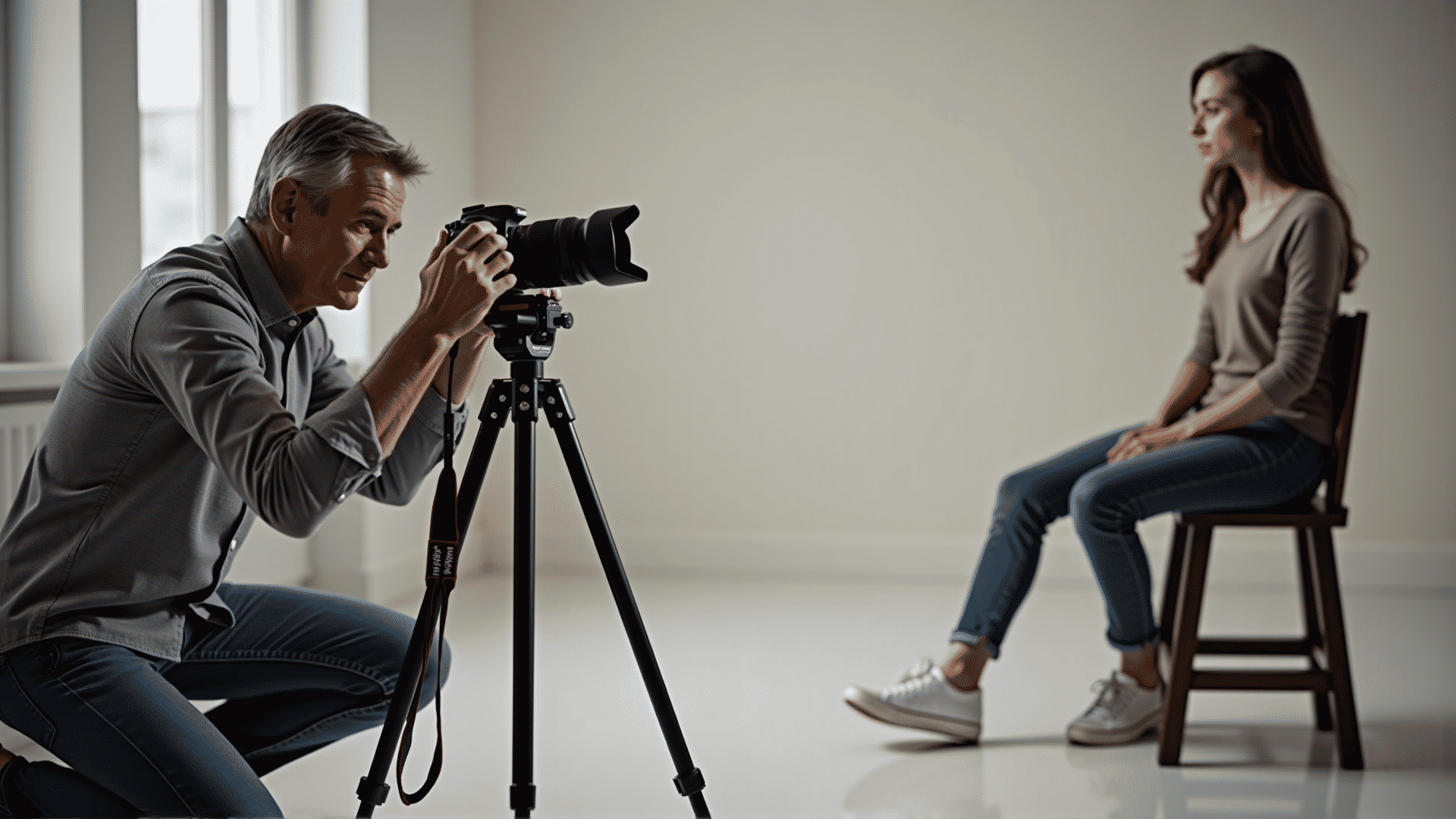
Exploring the world of image creation reveals a fascinating blend of creativity and technical prowess. For enthusiasts looking to capture timeless portraits, honing key image-capturing techniques can transform simple snapshots into stunning works of art.
Understanding Composition
Composition serves as the foundation of any captivating image. It's the artful arrangement of subjects and elements within the frame that guides the viewer's eye and evokes emotion. The Rule of Thirds is a classic approach that involves dividing the frame into nine equal segments and positioning the most important elements along these lines or at their intersections. This technique often results in a more balanced and engaging image.
Symmetry can also be a powerful tool. Integrating symmetry into portraits can create a sense of harmony and proportion, making the subject stand out distinctly. Equally important is the use of leading lines—naturally occurring lines that direct the viewer’s gaze towards the focal point. Mastering these aspects of composition can elevate the visual impact of your portraits.
Mastering Lighting Techniques
Lighting is pivotal in shaping the mood and clarity of portraits. Natural light offers a versatile and flattering option, especially when harnessed during the golden hours—shortly after sunrise or before sunset—when the light is softer and shadows are longer. This can add a warm, ethereal quality to photographs.
For indoor sessions or on overcast days, understanding how to manipulate artificial light sources becomes essential. Experimenting with different light placements can create dramatic effects or highlight specific features of your subject. Soft, diffused light often presents the most flattering results, minimizing harsh shadows and lending a more even tone to the portrait.
Understanding Your Equipment
While artistic elements are crucial, having a grip on the technical aspects of your equipment is just as vital to achieving impressive portraits. Familiarize yourself with aperture settings to gain greater control over depth of field. A wide aperture (a smaller f-number) allows for a shallow depth of field, blurring the background and highlighting the subject.
Equally important is understanding shutter speed. A faster shutter speed is ideal for capturing movement without blur, while a slower speed can create a sense of motion, offering more dynamic portraits. Finally, mastery of ISO settings helps in adjusting the camera’s sensitivity to light, allowing you to shoot in various lighting conditions without compromising quality.
Connecting with Your Subject
Effective portraits do more than capture an image; they evoke a narrative or emotional response. Establishing rapport with your subject can make a significant difference in this regard. Engage them in conversation, encourage natural gestures, and capture candid moments. This not only makes the subject more relaxed but can also yield portraits that feel more genuine and expressive.
In conclusion, merging technical expertise with aesthetic intuition opens a gateway to crafting portraits that resonate deeply. By continually exploring and experimenting with these techniques, photographers can unlock their full creative potential, capturing images that speak volumes beyond the mere visual. Remember, each portrait is a unique story waiting to be told through the lens.