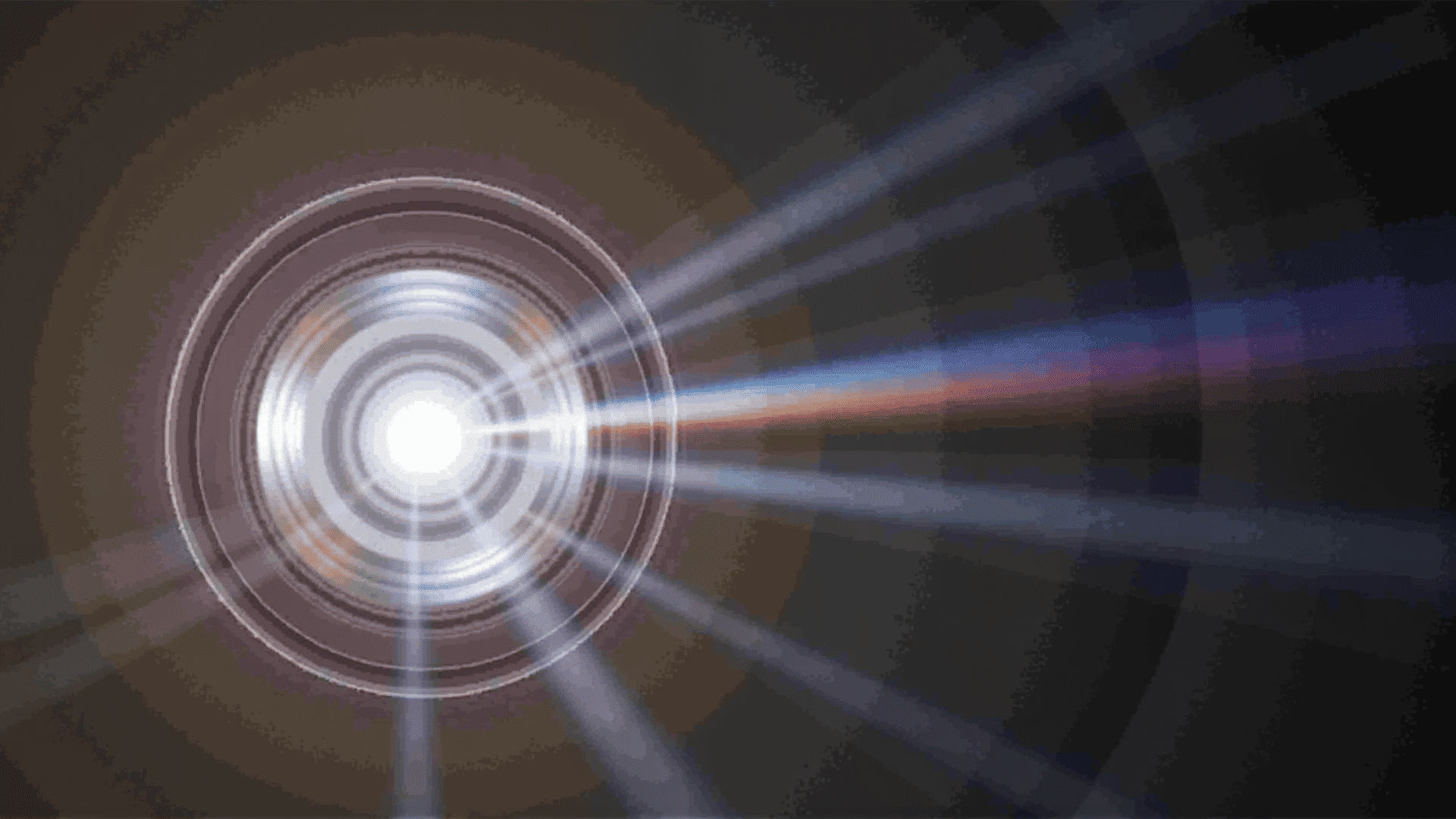
Lenses have played a pivotal role in shaping the world we see through a camera, significantly impacting the way we capture images. The science behind lenses is fascinating, revealing how they manipulate light to create clear and focused photographs.
At the heart of a lens's function is refraction - the process by which light changes direction as it passes through different materials. When light travels through a lens, typically made from glass or another transparent substance, its speed changes due to the different densities of the medium. This change in speed causes the light to bend, focusing the rays onto a specific point.
In a simple lens system, the curved surfaces are designed specifically to redirect light rays to converge at a focal point. By adjusting the curvature of the lens, or using multiple lenses in conjunction, we can control the focal length, which is the distance from the center of the lens to the focal point. This variable control is essential for focusing on subjects at various distances, thus a fundamental aspect of image clarity and sharpness.
Moreover, lenses can be either convex (curving outward) or concave (curving inward), each serving a distinct purpose in light manipulation. Convex lenses converge light rays, making them ideal for bringing a subject into sharp focus, whereas concave lenses diverge light rays, commonly used in correcting specific optical aberrations.
Complex lens systems utilize multiple lenses to correct any potential optical distortions such as chromatic aberration, where different colors of light fail to converge at the same point. This advanced design ensures that images are not only focused properly but also accurately reproduce colors and details, important factors enhancing visual fidelity.
The lens's aperture, a crucial component, controls the amount of light allowed to enter. This opening can be adjusted to suit various lighting conditions, improving image quality by preventing overexposure or underexposure. A wider aperture allows more light and is often used in low-light scenarios, whereas a narrower aperture is beneficial for scenes with ample lighting.
In addition to the optical construction, modern lenses may incorporate anti-reflective coatings. These coatings mitigate unwanted reflections within the lens, which can degrade image quality by causing glare and reducing contrast. By minimizing these reflections, the coatings help deliver clearer, more detailed photographs.
Beyond the technical aspects, lenses also contribute to the artistic side of capturing images. The way a lens renders out-of-focus areas—known as bokeh—adds significant creative value, allowing photographers to highlight the main subject aesthetically by softening the background.
In summary, understanding the intricate science of lenses unveils the sophisticated dance of light and glass, orchestrating the creation of stunning visual art. Through precise engineering and thoughtful design, lenses transform the way we interpret and immortalize the scenes around us, blending science with creativity in every captured frame.